

Drink Safety for Festivals: A 2026 Guide
Table of Contents
- Why Drink Safety Matters at Festivals
- How to Spot Spiked Drinks Before It's Too Late
- Drink Spiking Prevention Tools That Work
- Hydration, Pacing, and Moderation Strategies
- The Buddy System: Peer Support and Accountability
- What to Do If Your Drink Is Spiked
- Festival-Specific Safety Gear and Preparation
- Post-Festival Recovery and Wellbeing
Last Updated: August 25, 2026
Why Drink Safety Matters at Festivals
Festivals celebrate community, but they're also environments where drink spiking occurs. Thousands of attendees face this risk annually, a violation that can lead to assault, theft, or worse. Drink spiking isn't rare, and protecting yourself is practical harm reduction, not paranoia.
Understanding how to keep your drink secure and recognising tampering signs can be the difference between a safe night and a dangerous one. At Safer Sips, we've researched drink spiking prevention and tools that work. This guide covers spotting spiked drinks, using detection strips and physical covers, and what to do if something goes wrong.
How to Spot Spiked Drinks Before It's Too Late
Many drink-spiking substances are odourless, colourless, and tasteless, but visual and behavioural cues can alert you to tampering.
A drink that looks cloudy when it should be clear, has visible particles, or an oily film warrants concern. Some spiking drugs create discolouration or residue. If your drink doesn't look right, don't drink it, trust your instinct. Never take a sip to "check" if something's wrong; many spiking drugs don't alter flavour, especially in strong cocktails.
Watch for unexplained changes if you've left your drink unattended, even briefly. This is why keeping your drink with you or using a physical cover is crucial.
Common signs of consumption include sudden drowsiness despite minimal drinking, unexplained confusion, difficulty speaking, loss of coordination, or memory gaps. These symptoms develop rapidly and feel different from normal intoxication. If you or a friend experience these signs, seek help immediately.
Drink Spiking Prevention Tools That Work
Modern drink safety tools fall into two categories: detection and physical protection. Many people use them together.
Detection Strips for Rapid Testing
Detection strips are small, portable test cards that identify common drink-spiking drugs within seconds. Quality strips test for GHB and Ketamine, two of the most commonly used substances in spiking incidents (peer-reviewed research).
You place a small sample of your drink on the test strip, and a colour change indicates spiking drugs. Quality strips are discreet and look like ordinary items you might carry in a pocket or wristband, so using one doesn't draw attention.
The Safer Sips Drink Spiking Test Wristband comes with two test strips per band and detects GHB, Ketamine, Cocaine, Scopolamine, and other amine-based drugs within seconds. Independent testing validates that quality detection strips achieve high detection rates.

Detection strips work best as preventive checks on drinks you're about to consume, not as diagnostic tools after consumption. Use them early in the night, especially on drinks you're unsure about.
Physical Drink Covers and Protective Gear
Physical covers create a barrier between your drink and potential tampering by covering the opening of your glass, cup, or bottle.
The Safer Sips NightCap Scrunchie Drink Cover looks like a normal hair scrunchie and stretches over your cup or glass. It's discreet and reusable. The Safer Sips StopTopp 10 Pack offers self-adhesive foil lids that stick securely to glassware, bottles, and cans.
Physical covers prevent drink spiking and keep out debris and insects. They work continuously throughout the night without action beyond putting them on your drink. The disadvantage is they're only effective if you remember to use them and keep your drink with you.
Many people combine detection and protection: use a cover to prevent tampering and keep detection strips handy for uncertain situations.
Hydration, Pacing, and Moderation Strategies
Proper hydration and pacing alcohol consumption are foundational to staying safe at festivals. These practices help you maintain awareness, recognise warning signs, and avoid the vulnerability of excessive intoxication.
Drink water consistently throughout the night. Dehydrate impairs judgment and makes you more susceptible to alcohol's effects. Alternate between alcoholic drinks and water, for every alcoholic beverage, drink a glass of water. This keeps you hydrated, slows consumption, and gives your body time to process alcohol.
Electrolyte balance matters, especially at outdoor festivals where you're dancing, standing in heat, or exerting yourself. Electrolytes help your body retain water and maintain cognitive function. Many venues offer electrolyte drinks or coconut water. festival design applications.
Pacing alcohol intake means consuming drinks slowly, giving your body time to process alcohol and keeping you in control longer. Moderation isn't abstinence; it's maintaining the level of intoxication where you can think clearly, notice surroundings, and help friends if needed.
Know your limits. Everyone's tolerance differs based on body weight, food intake, medications, and genetics. Pay attention to how you feel and adjust accordingly.
| Strategy | What It Means | Why It Matters |
|---|---|---|
| Hydration | Drink water regularly alongside alcohol | Maintains awareness and physical resilience |
| Pacing | Consume alcohol slowly, not in rapid succession | Prevents sudden intoxication that impairs judgment |
| Moderation | Stay at a level where you're alert and aware | Keeps you able to recognise danger and help others |
| Electrolyte balance | Consume drinks with sodium and potassium | Supports cognitive function during extended events |
The Buddy System: Peer Support and Accountability
The buddy system is one of the most effective harm reduction strategies. Designate a trusted friend or group to watch out for each other throughout the night as mutual accountability partners.

Agree in advance to check in regularly, track how much each person is drinking, and alert each other if anyone seems unusually intoxicated or unwell. If one person notices another acting strangely, sudden drowsiness, confusion, or loss of coordination, they can intervene and decide whether medical assistance is needed.
A practical buddy system agreement includes:
- Staying within sight or checking in every 30 minutes
- Watching each other's drinks and alerting friends if a drink is left unattended
- Not leaving the venue alone with someone you don't know well
- Having a designated meeting point if separated
- Sharing your location with trusted friends
- Speaking up if you notice something concerning
A good buddy system is subtle and natural, friends looking out for each other. It doesn't mean hovering or controlling choices; it means being present and alert.
What to Do If Your Drink Is Spiked
If you suspect your drink has been spiked or if you or a friend shows signs of consumption, take action immediately.
Move to safety. Find a staff member, security guard, or trusted person and explain what's happening. Don't manage it alone. If outside the venue, move to a public area with other people.
Seek medical help if symptoms are severe or worsening. Call emergency services (000 in Australia) if the person is unconscious, having difficulty breathing, experiencing seizures, or showing serious distress.
Report to venue staff and security. Many venues have protocols for spiking incidents. If safe, also report to local police, who can investigate and identify the person responsible.
Preserve evidence if possible. Keep the glass or cup without washing it in case authorities want to test it.
Support the affected person. Stay with them if needed, help them contact someone they trust, and listen without judgment. The Australian Drug Foundation provides information about substance use and support services. Local sexual assault services also offer support.
Festival-Specific Safety Gear and Preparation
Festivals present unique challenges as outdoor, crowded environments with varying security and medical support. Preparing with the right gear makes a significant difference.
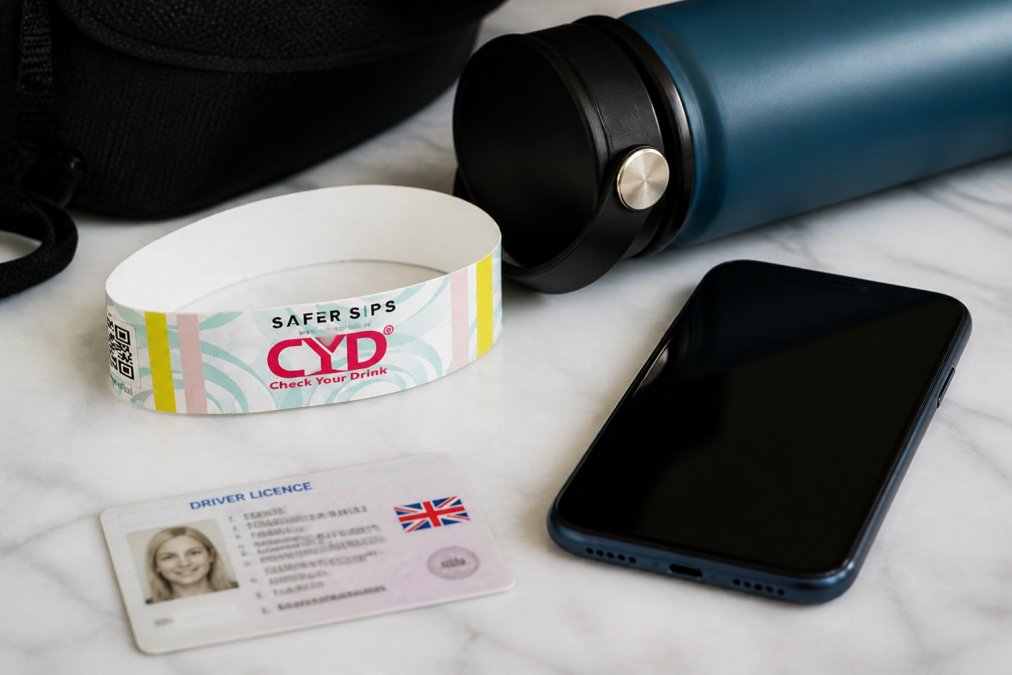
Essential items: drink covers or detection strips (or both), a reusable water bottle, comfortable footwear, a fully charged phone with emergency contacts, identification and separate cash, sunscreen and a hat, a light layer or jacket, and any medications plus a basic first aid kit.
Inform someone you trust where you're going and when you expect to be back. Share your location if your phone allows it. Familiarise yourself with the venue layout, know where the medical tent, security, bathrooms, and exits are.
Eat before and during the festival. Food slows alcohol absorption and keeps your energy stable. Wear clothes that allow free movement and temperature regulation.
Post-Festival Recovery and Wellbeing
Recovery starts the night of the festival and continues for several days. Rehydrate before bed with water and electrolyte-containing fluids to reduce hangover severity and support recovery.
Sleep is critical, your body repairs itself during rest. Aim for 7-9 hours the night of the festival and following nights.
Eat nutritious food with protein, healthy fats, and carbohydrates. Avoid excessive caffeine or sugar, which can prolong fatigue.
Monitor your mental and emotional state. If you experienced something concerning, talking to someone you trust or seeking professional support is appropriate. The 1800RESPECT helpline provides confidential support for people affected by sexual assault or abuse.
Reflect on what worked in your safety approach. Did your buddy system function well? Did you use detection strips? Did you stay hydrated? Learning from each event helps you refine your approach for next time.
Drink safety for festivals isn't about avoiding social events; it's about attending them with confidence and control. Combining hydration awareness, buddy systems, physical protection tools, and detection strips creates a comprehensive approach that significantly reduces risk. Safer Sips provides the tools you need: from the NightCap Scrunchie Drink Cover that deters tampering to detection strips that give you immediate reassurance. Prepare thoughtfully, stay aware, and enjoy your festival knowing you've taken meaningful steps to protect yourself.
Frequently Asked Questions
Q: What are the signs of drink spiking?
A: Signs include sudden drowsiness, dizziness, blurred vision, difficulty speaking, memory gaps, or feeling unusually intoxicated without drinking much. You might notice taste or colour changes in your drink, though some substances are odourless and colourless. Trust your instincts: if something feels wrong, it probably is. Seek help from security, a trusted friend, or medical staff immediately if you experience these symptoms.
Q: How can I use drink spiking prevention tools effectively at festivals?
A: Combine detection strips with physical covers for maximum protection. Use test strips like the Drink Spiking Test Wristband or Double Strip Drink Spike Test Card to check your drink within seconds of receiving it. Layer this with a drink cover such as the NightCap Scrunchie or StopTopp to prevent substances being added while you're distracted. Keep your drink in sight at all times, and never leave it unattended, even for a moment.
Q: What should I do if I suspect my drink has been spiked?
A: Stop drinking immediately and move to a safe location with trusted friends or security staff. Alert festival medical personnel or security, they're trained to help and won't judge you. If possible, keep the drink for testing or evidence. Contact emergency services (000) if you experience severe symptoms like loss of consciousness, difficulty breathing, or extreme distress. Never drive, and arrange safe transport home with a sober friend or taxi. Report the incident to venue management and consider contacting police if you feel comfortable doing so.
Q: Are drink spiking test strips reliable?
A: Yes, when independently tested. Safer Sips detection strips have been developed over four years with leading researchers and achieve 99% accuracy with a 97% detection rate for common drink-spiking drugs including GHB, Ketamine, Cocaine, Scopolamine, and over 650 other amine-based compounds. Results appear within seconds. They're independently tested by accredited laboratories and universities, making them a trusted tool for harm reduction at festivals and social events.
Q: How do I look after my friends at a festival without being obvious about it?
A: Establish a buddy system before the event: agree to check in regularly, watch each other's drinks, and stay within sight. Use discreet tools like wristband test strips so testing looks natural. Keep conversation light and supportive rather than preachy. Offer to hold drinks while friends dance or use facilities. Suggest alcohol-free options and pace your own drinking so you stay alert. If a friend seems unwell, move them to a quiet area, get water and food, and stay with them until they feel better.
Q: What's the cost of drink safety tools, and are they worth it?
A: Safer Sips offers affordable options: Double Strip Drink Spike Test Cards cost $12 per card, Drink Spiking Test Wristbands (2 tests) are $18, and physical covers like the NightCap Scrunchie are $22. A single use can prevent serious harm, making the investment worthwhile for regular festival-goers or anyone concerned about safety. Many people buy wristbands or test cards for a season or specific events rather than every outing, spreading the cost across multiple occasions.
Q: What should I pack for festival drink safety?
A: Bring a drink spiking test wristband or test cards, a reusable drink cover (like the NightCap Scrunchie), a refillable water bottle, electrolyte sachets, sunscreen, a phone charger, and a small first aid kit. Wear comfortable shoes and bring a light jacket. Keep your ID and emergency contact details on you. Consider a small backpack or crossbody bag to keep hands free and valuables secure. Pack snacks for sustained energy and to slow alcohol absorption if you're drinking.
This article was written using GrandRanker